
From the report «Host plant selects bacterial rhizosphere microbiome function whereas community structure is determined by soil legacy«, of Taketani, R., Clark, I., Yao, P. T. O., Liu, L., Zhang, F., Bak, G.-R., Thompson, C. M. A., Bonnin, J. M., Stewart, H., Malone, J. G., et al. , published at ISME Communications, 2026.
The study uses 24,000 bacterial cultures and 315 soil microbiome libraries from the UK Crop Microbiome Cryobank to disentangle how soil type, geography and plant genotype shape the rhizosphere microbiome.
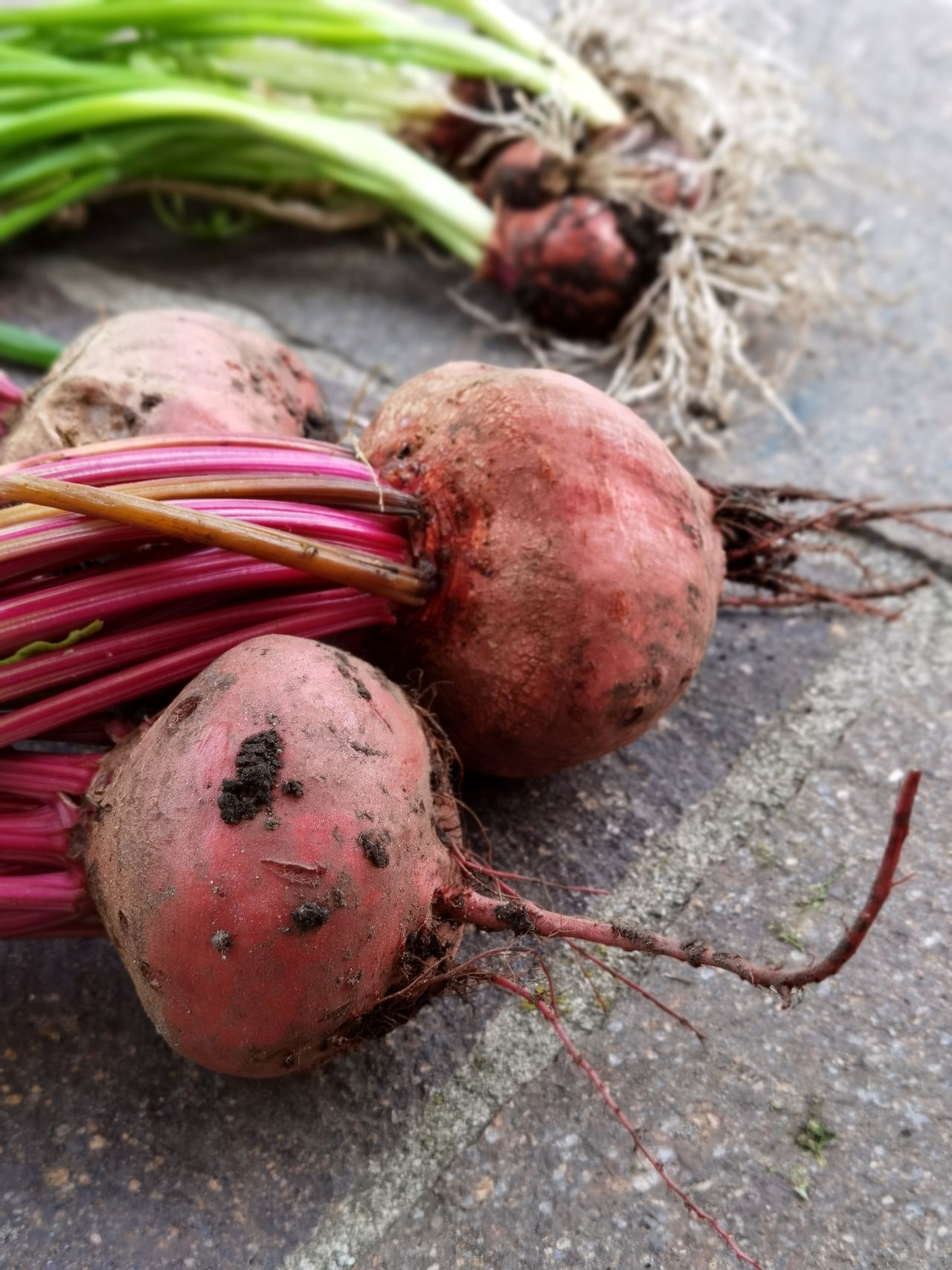
The authors show that the structure of rhizosphere bacterial communities is primarily determined by geographical location and soil environment, rather than by the host plant itself. In contrast, the functional traits of the microbiome are strongly shaped by the crop genotype, which selectively enriches microbial groups that match its physiological needs. For example, sugar beet and oilseed rape preferentially recruit drought‑tolerant microbes, barley selects for zinc‑solubilizing bacteria, and fava bean shows reduced recruitment of nitrogen‑mineralising microbes.
These findings highlight that plant–microbiome interactions operate on two distinct axes: soil legacy constrains the taxonomic pool available, while the plant filters functions within that pool. The authors argue that successful microbiome‑assisted agriculture must therefore consider both the edaphic context and the developmental requirements of each crop. The work also demonstrates the value of the UK Crop Microbiome Cryobank as a resource for linking microbial taxonomy, function and agronomic traits across contrasting soils and crop species.