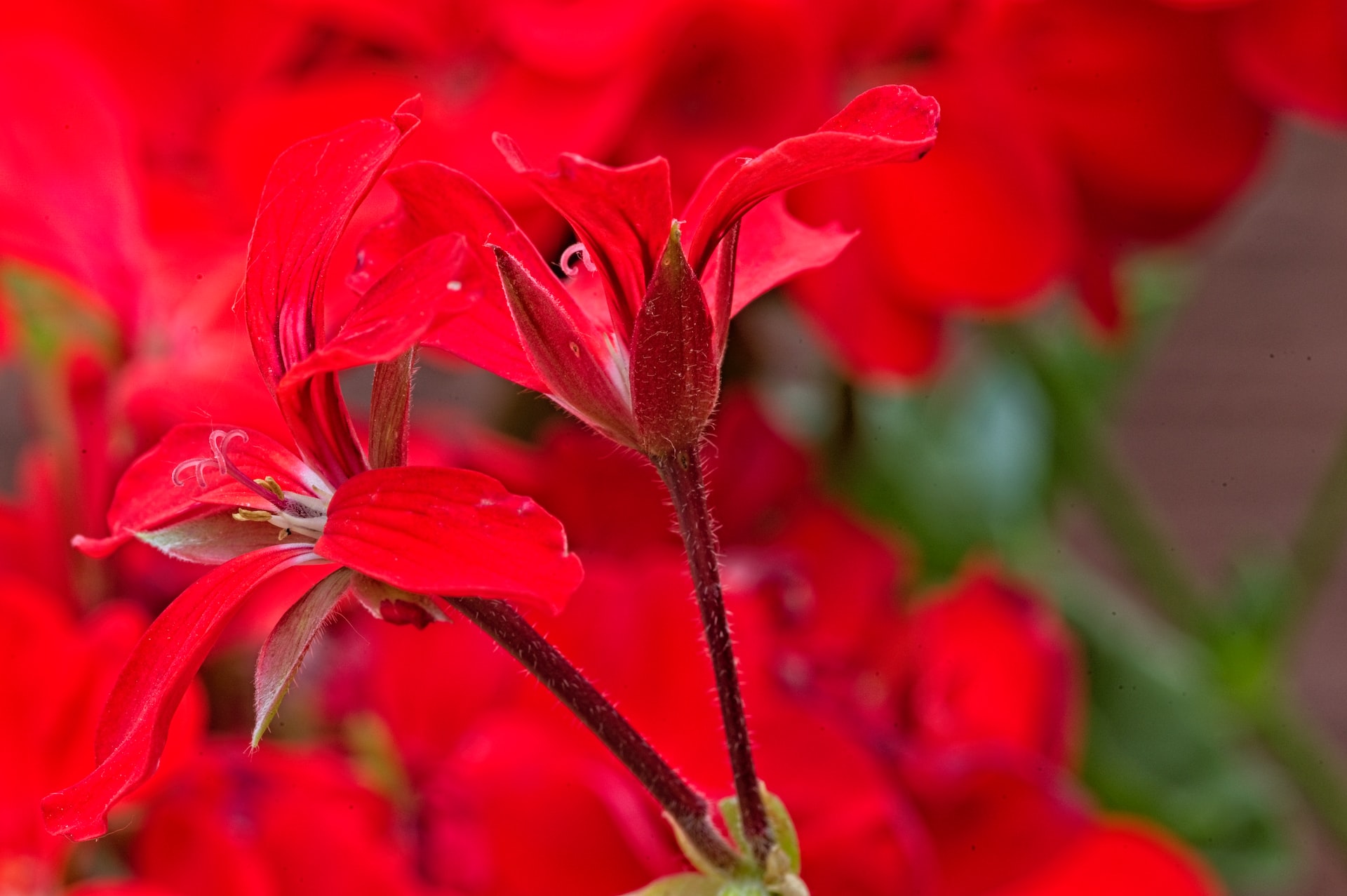

From the report «Humic Acid Seed and Substrate Treatments Promote Seedling Root Development«, of Jack A. Hartwigsen and Michael R. Evans, published at Hortscience
Humic acid (HA) treatments, applied either by seed soaking or substrate drenching, consistently enhanced root fresh weight in several horticultural species, including marigold, geranium, cucumber and squash. While deionized water and nutrient‑control solutions produced no significant effects, HA at concentrations between 2500 and 5000 mg/l repeatedly stimulated root development, regardless of whether seeds were soaked or germinated in treated substrates or towels. These responses were specific to the root system: neither germination percentage nor shoot fresh weight showed significant variation across treatments.
Seed of Pelargonium ×hortorum L.H. Bailey ‘Freckles’ (geranium) and Tagetes patula L. ‘Bonanza’ (marigold) were soaked for 12, 24, or 48 h in solutions containing:
- + 0 (deionized water),
- + 5000, 10,000, or 15,000 mg/L humic acid (HA)
- + 5000, 10,000, or 15,000 mg/L nutrient controls (NC) containing similar levels of nutrients prior to planting.
Soaking in deionized water (DI) and NC treatments had no significant effect on root fresh weight. However, several of the HA treatments increased root fresh weight of marigold seedlings, and all increased geranium root fresh weight.
Humic acid treatments consistently increased root fresh weight across several species—especially at 2500–5000 mg/l—while germination percentage and shoot growth remained unaffected, indicating that HA primarily stimulates lateral root development rather than overall seedling biomass.

+ deionized water, + 2500 mg/L humic acid (HA), + 2500 mg/L nutrient control (NC), + 5000 mg/L HA, + 5000 mg/L NC.
Commercial: obtain biostimulants