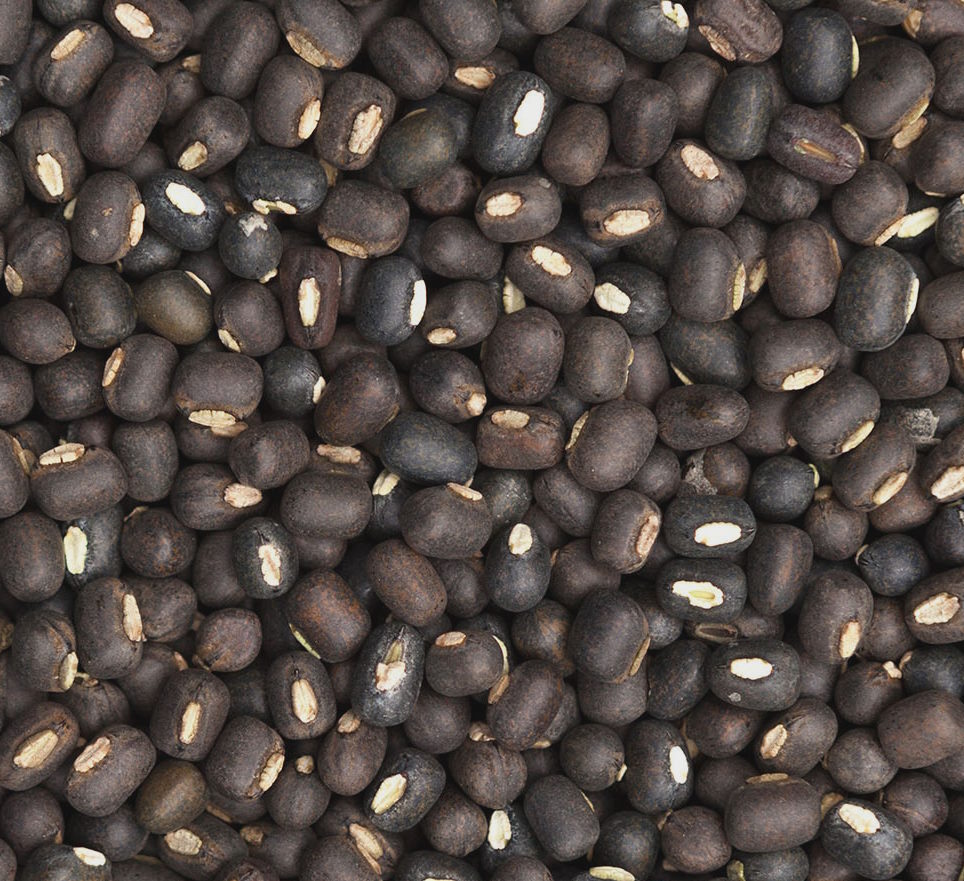

From the report «Humic Acid, Protein Hydrolysate & Microorganisms as a Mixed Consortium in Plant Growth«, of Ramya Dinesh E., Pushparani A., Rajendran P., Raju S., Sriranjani S., and Sruthi I., published in INDIAN JOURNAL OF APPLIED MICROBIOLOGY.
Three groups of 6 pots were prepared using humic acid, groundnut oil cake, protein hydrolysate and a microbial consortium at different concentrations, along with a control, to evaluate their effects on the growth of Vigna radiata and Vigna mungo. While all treatments stimulated plant growth, the addition of microorganisms and nutrient-rich inputs promoted plant height more effectively than chemical fertilizers. The article further shows that the mixed microbial consortium produced the most pronounced improvements, with optimal effects at specific concentrations, reflecting enhanced nutrient availability and more active root–soil interactions.
Using such biofertilizers helps maintain agricultural soils unpolluted and supports the production of healthier crops with higher yield potential, as the webpage notes. The study reinforces this point by demonstrating increased microbial density in the soil and consistent growth enhancement across both Vigna species, positioning these biostimulants as a sustainable alternative to conventional fertilizers. Together, the results highlight the agronomic value of integrating humic substances, organic amendments and beneficial microorganisms into legume cultivation systems.
Optimization of plant growth Rate in Green Gram:

Optimization of plant Growth Rate in Black Gram

Commercial: obtain biostimulants