
From the reports «Agricultural Robotics for Field Operations«, by Spyros Fountas, Nikos Mylonas, Ioannis Malounas, Efthymios Rodias, Christoph Hellmann Santos, and Erik Pekkeriet, published at Sensors, «An Extensive Review of Mobile Agricultural Robotics for Field Operations: Focus on Cotton Harvesting» by Kadeghe G. Fue, Wesley M. Porter, Edward M. Barnes and Glen C. Rains, published at AgriEngineering, and «Exploiting the Internet Resources for Autonomous Robots in Agriculture«, by Luis Emmi, Roemi Fernández, Pablo Gonzalez-de-Santos, Matteo Francia, Matteo Golfarelli, Giuliano Vitali, Hendrik Sandmann, Michael Hustedt, and Merve Wollweber, published at Agriculture.
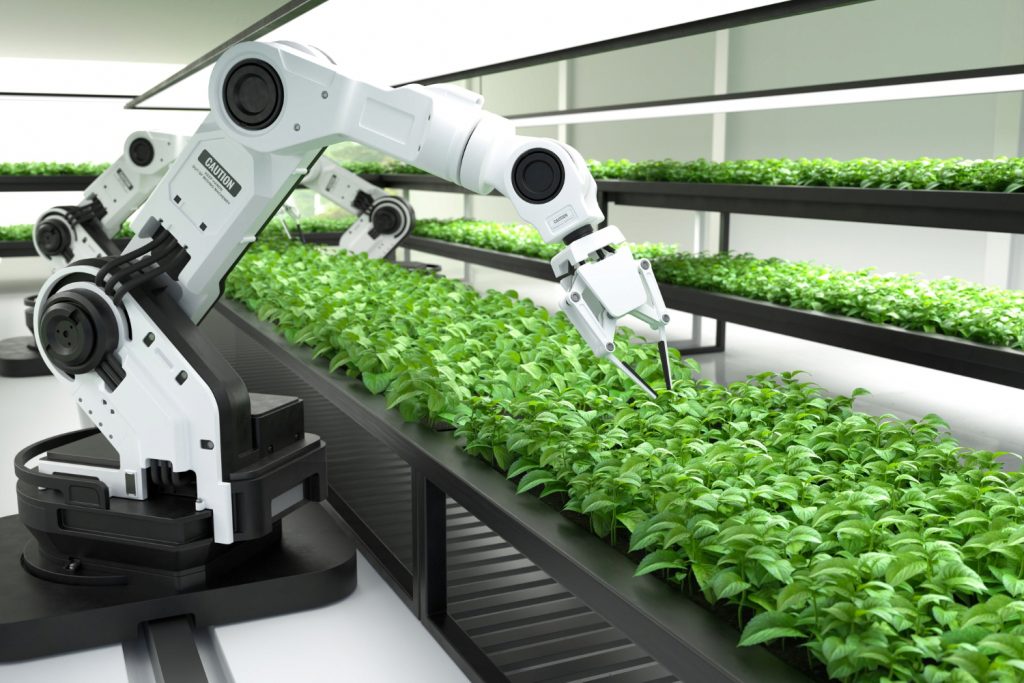
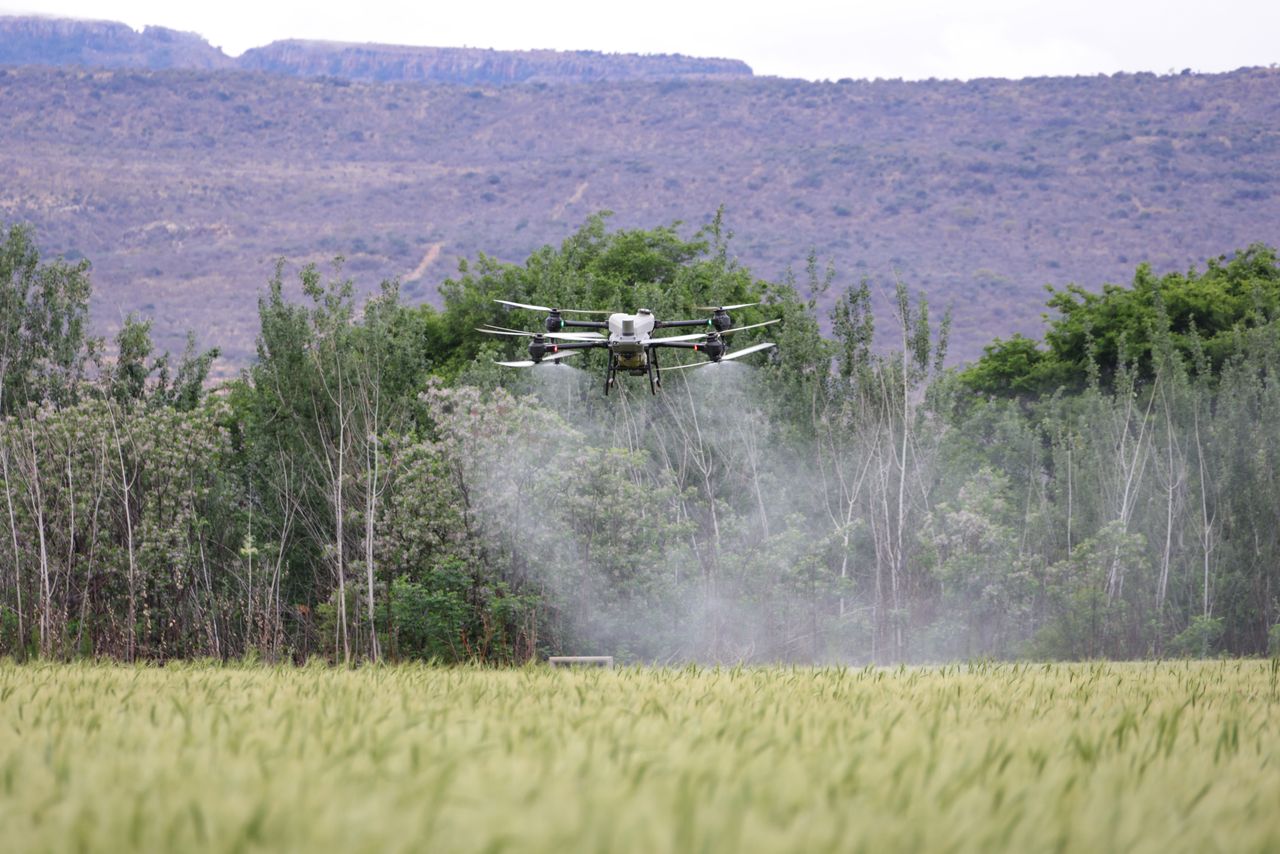
The three reports provide a complementary overview of the current state and future direction of agricultural robotics. Together, they describe a transition from conventional mechanized agriculture toward intelligent, autonomous systems capable of performing field operations with limited human intervention. Advances in sensing technologies, artificial intelligence, machine vision, navigation systems, cloud computing, and communications have enabled robots to undertake tasks such as weeding, spraying, crop monitoring, disease detection, seeding, and harvesting. Although agricultural environments remain highly variable and difficult to model, recent developments in perception and decision-making have significantly improved the feasibility of robotic field operations.
A recurring theme across the three studies is that successful agricultural robots depend on the integration of four core capabilities:
- perception,
- localization
- path planning
- actuation
Agricultural robots increasingly rely on combinations of RGB, multispectral, thermal, stereoscopic, LiDAR, GNSS, IMU, and other sensor technologies to interpret complex field conditions. Machine learning and deep learning algorithms are becoming essential for identifying crops, weeds, diseases, fruits, and obstacles under changing environmental conditions. At the same time, navigation techniques such as SLAM, RTK-GNSS guidance, and sensor fusion are helping robots move safely through semi-structured agricultural environments while minimizing crop damage and improving operational precision.
The literature shows that the most mature areas of agricultural robotics are weeding and harvesting. Weeding robots have demonstrated high levels of weed detection accuracy and significant reductions in herbicide use through selective treatment. Harvesting robots have achieved notable successes in crops such as strawberries, apples, tomatoes, peppers, and cucumbers, although performance remains constrained by fruit occlusion, variable illumination, delicate crop handling requirements, and relatively slow picking speeds. In contrast, applications such as disease detection, phenotyping, crop scouting, and autonomous seeding are progressing but remain less developed. Many authors emphasize that future improvements will depend on faster vision algorithms, more robust sensing systems, improved manipulators, and better adaptation of crop management practices to robotic operation.
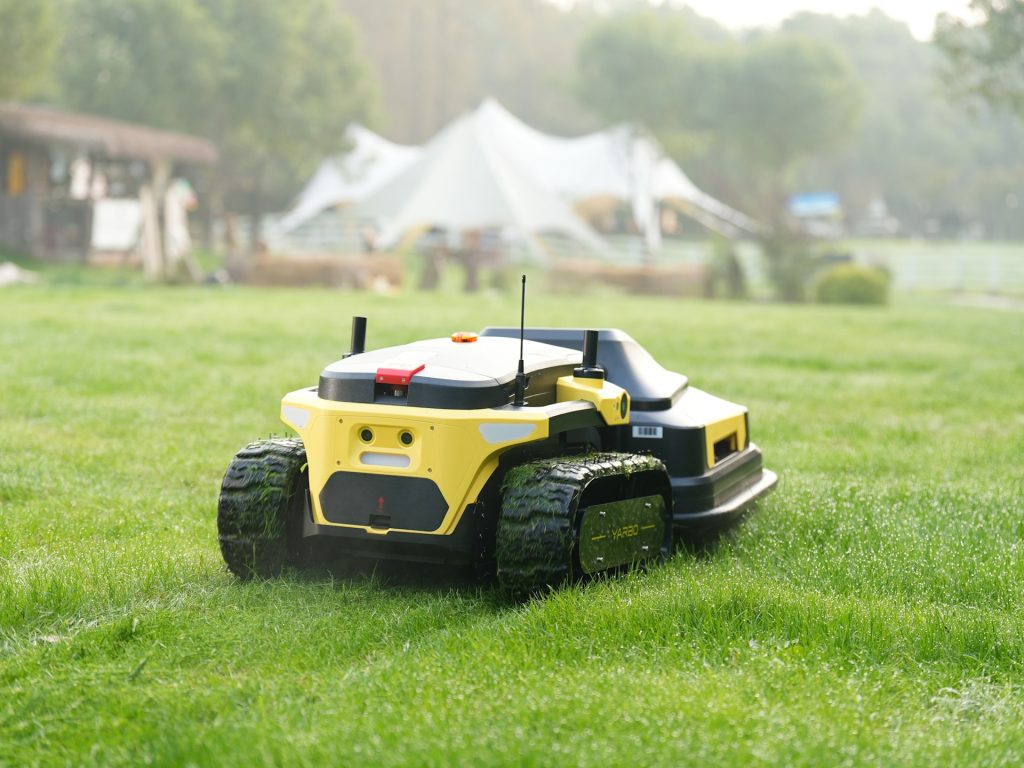
The most forward-looking contribution comes from the proposed integration of robotics with Internet-based infrastructures. The architecture described by Emmi et al. combines Robot Operating System (ROS), FIWARE, cloud computing, IoT sensor networks, and data analytics into a distributed framework for agricultural robots. In this model, robotic platforms become part of a larger digital ecosystem where field sensors, autonomous vehicles, cloud services, mission planners, and decision-support tools continuously exchange information. Experimental results with an autonomous laser-weeding robot demonstrated that this integration can provide reliable communications, real-time supervision, scalable data management, and post-mission analytics without compromising robotic performance.
Possibly, the future of agricultural robotics will not depend solely on autonomous machines themselves, but on their ability to function as interconnected components of intelligent, data-driven farming systems.