
GENERAL ORGANO-MINERAL NEEDS*
*Dosages should be adjusted according to soil and leaf analyses as part of a fertilisation programme.
DESCRIPTIONS
 Nitrogen (N), also soil one, comes exclusively from the atmosphere, or fertilizers. It is an essential element of the chemistry of living beings, present in DNA, amino acids and proteins, and many other organic molecules. Both the lack, which hinders growth, and the excess of nitrogen, which makes crops more sensitive to diseases and delays maturation, are harmful to plants.
———
Mediterranea de agroquimicos provides customized organomineral NPKs.
 Phosphorus (P) is involved in most complex biochemical reactions, and is an essential element for the plant. It is generally insoluble in the soil, and is solubilized by the microfauna, and incorporated into its organic structures, and dying in the organic matter of the soil. Therefore, a healthy rhizosphere is essential for plants.
———
Mediterranea de agroquimicos provides customized NPKs organominerals.
 Although not part of permanent organic molecules in plant tissues, Potassium (K) is required in large quantities by plants, becoming about 3% of the dry weight of plants. It plays a very important role in osmotic functioning, photosynthesis, and protein synthesis.
———
Mediterranea de agroquimicos provides customized NPKs organominerals.
 Magnesium (Mg) has an important role in photosynthesis because it is the central atom of chlorophyll. It is also needed in many critical biochemical processes of plants. Magnesium global requirements by the plant are 10 to 60 kg/Ha, in accordance with each type of crop.
———
Mediterranea de agroquimicos provides taylor-made Magnesium formulations.
 Beside other roles, Iron (Fe) is needed to produce chlorophyll, hence its deficiency causes typical symptoms of chlorosis. Depending on each soil type, from normal soils to basic and rich in calcium soils, we offer a wide variety of iron correctors. General requirements of iron range from 0.1 to 0.5 kg/Ha, depending on each kind of crop and soil type.
Usually, soils have enough amount of iron, in order to meet the nutritional needs of plants, but it mainly occurs in precipitated salts (Fe 3+), specially in cases of soils with basic pH, where the nutrient uptake gets thus very limited. If Fe2+ is applied, the iron uptake improves, but if soil conditions remain basic, iron precipitates again. Hence, the importance of chelated compounds in agriculture, for they transform several minor elements in a soluble form, and thus readily available for plants.
In accordance with every soil, ranging from normal to basic and very rich in calcium grounds, there is a wide range of iron correctors, specially suited for each case. Fertirrigation may be considered as the best way of application of iron to crops, in order to overcome occasional lacks of this element in normal and not too basic soils (total carbonate contents from 5 to 25% w/w).
 Zinc (Zn) takes part in enzymatic activities related to amino acids, as well as in the metabolism of nitrogen and ammonium assimilation. The mobility of zinc in the plant is small, because the trend to accumulate in the roots. For this reason, foliar applications are well suited in case of deficiencies. General needs of Zinc are 0.1 to 0.2 kg/Ha depending on each type of cultivation.
————-
Mediterranea de agroquimicos provides taylor-made Zinc formulations.
 Manganese (Mn) is essential in cellular respiration, in the metabolism of nitrogen, and in the activation of several enzymes. It is also involved in the release of oxygen in the photolysis of water during photosynthesis. General needs of Manganese are 0.1 to 0.6 kg/Ha depending on each type of cultivation.
——–
Mediterranea de agroquimicos provides taylor-made Manganese formulations .
 Calcium (Ca) is involved in processes of absorption of other elements, and it is an important cofactor for many enzyme reactions, including the response to high heat. It also takes part in stomata regulation. With regard to soil, calcium moves sodium from the Exchange complex, and improves structuring and aggregation of saline soils. General needs of calcium are from 25 to 150 kg/Ha depending on the type of cultivation and soil.
———-
Mediterranea de agroquimicos provides taylor-made Calcium formulations.
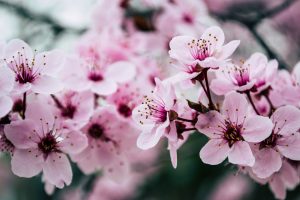 Boron (B) promotes biosynthetic processes, such as the synthesis of sucrose and starch. It also enhances stability of the cell membrane. It is important in plant growth because of its effect on cell division, very critical in pollination and fruiting processes. General requirements of boron are 2 to 4 kg/Ha depending on each type of cultivation.
———-
Mediterranea de agroquimicos provides taylor-made Boron formulations.
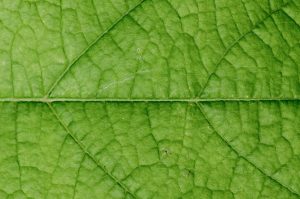 COPPER (Cu) has catalytic functions, such as neutralizing of free radicals. It is also a critical element in several important biomechanisms : Biosynthesis of lignin, vitamin A, … It has also an essential role in formation of nitrogen-fixing root nodules in legumes.
General requirements of copper are 0.3 to 1 kg/Ha depending on each type of cultivation.
———–
Mediterranea de agroquimicos provides taylor-made Copper formulations.
 In the soil, the interaction of Silicon (Si) with phosphorous allows plants to assimilate this latter element, that would be insoluble for itself. It enhances cell walls in plants, thus allowing better sprouting, and avoiding penetration and development of fungal hyphae in plant tissues.
GENERAL NEEDS
-
Macronutrients
-
Minor elements
-
Organic matter
-
Requirements uppon the vegetative stage
| elements | intervals kg/Ha and year | comments | |||
|---|---|---|---|---|---|
| Nitrogen (N) | 20 | 250 | Legumes: 0-40 kgs/ha Cereals: 40-140 kg/Ha Horticultural crops: 90-250 kgs/Ha Fruit trees and citrus: 80- 200 kgs/ha Olive and almonds (rain-feed): 30-80 Kg/ha Vineyard (rain-feed): 20-40 kg/Ha |
||
| Phosphorus (P₂O₅) | 20 | 120 | Legumes: 10-60 kgs/ha Cereals: 40-80 kg/Ha Horticultural crops: 60-120 kgs/Ha Fruit trees and citrus: 60-120 kgs/ha Olive and almonds (rain-feed): 10-30 Kg/ha Vineyard (rain-feed): 2-20 kg/Ha |
||
| Potassium (K₂O) | 20 | 250 | Legumes: 10-80 kgs/ha Cereals: 20-100 kg/Ha Horticultural crops: 90-250 kgs/Ha Fruit trees and citrus: 100-200 kgs/ha Olive and almonds (rain-feed): 50-80 Kg/ha Vineyard (rain-feed): 30-50 Kg/Ha |
||
| Calcium (CaO) | 0 | 200 | depending on soil type and specific physiological needs | ||
| Magnesium (MgO) | 10 | 80 | sandy soils require higher doses. Olive, almond and vineyard (rain-feed): 10-20 kg/Ha |
||
| Sulfur (S) | 9 | 60 | |||
| elements | intervals kg/Ha and year | comments | |||
|---|---|---|---|---|---|
| Iron (Fe) | 0,1 | 0,5 | foliar application | ||
| 2 | 5 | soil application (chelates) | |||
| Zinc (Zn) | 0,1 | 0,5 | foliar application | ||
| 1 | 5 | soil application | |||
| Manganese (Mn) | 0,1 | 0,6 | foliar application | ||
| 5 | 30 | soil application | |||
| Copper (Cu) | 0,1 | 0,3 | foliar application | ||
| 1 | 3 | soil application | |||
| Boron (B) | 0,2 | 0,1 | foliar application. Overapplication may cause toxicity | ||
| 1 | 3 | soil application | |||
| Molibdenum (Mo) | 0,02 | 0,1 | foliar application | ||
| 0,1 | 0,3 | soil application | |||
| Organic matter | intervals kg/Ha and year | comments | |||
|---|---|---|---|---|---|
| generic organic matter | 2000 | 3000 | Organic matter can have very diverse origins, and consequently its mineral content, especially nitrogen, varies. The nitrogen content directly influences humification. | ||
| Compost | 1500 | 2000 | Organic matter undergoing humification, rich in fulvic acids | ||
| Humic acids | 900 | 1000 | Humic acids are the final product of the humification process of organic matter, and are long chains and organic structures. Fulvic acids are also present, but in small quantities. Humic acids are not usually used to improve soil, but rather, at very low doses, as a plant growth regulator. |
||
|
Germination and rooting |
N, P, K, Fe, Zn, Mn | organic matter, bioestimulants |
|
Growing |
N, P, K, Mg, Ca, Fe, Zn, Mn, Cu, B | organic matter, bioestimulants |
|
Flowering and fruiting |
P, K, Fe, B | fruiting enhancers |
|
Fruit growing |
N, P, K, Ca, B, Co, Mo | growth enhancers |
GENERAL FERTILIZER PLANNING
*Write down the dosage for each fertilizer, or if it is not listed, the name, type, and analysis. Mark the crop class. The table will indicate if you are low or high, according to the crop, as well as a general optimization index.
*Results are generic and do not take soil and/or leaf analyses into account.